
Products
- marble/stone lion statues
- bronze lion statues
- sitting lion statues
- lying lion statues
- standing lion statues
- sleeping lion statues
- winged lion statues
- roaring lion statues
- Lion Statue With Ball
- school lion statues
- bank lion statues
- hotel lion statues
- home lion statues
- garden lion statues
- square lion statues
- indoor lion statues
- city lion statues
- landscape lion statues
Contact Us
- Email :
- Skype:
cnstatue
- WhatsApp:
0086 13938480725
- Tel:
0086 13938480725
- Add :
Quyang County, Hebei Province, China.
Inquiry
News
Large Marble Chinese Foo Dog Statues for Outdoor MOKK-989
22-11-30White Marble Standing Outdoor Lion Statue Guardian
19-06-8Loyal Standing Lion Garden Statues For Protection
19-06-8Buy Animal Statue Sleeping Lion Garden Statues For Outdoor Decor
19-06-8Outdoor Garden Dying Outdoor Lion Statue For Sales
19-06-8Buy Animal Statue Standing Outdoor Lion Statue For Yard Decoration
19-06-8
Home » Message » Brand new natural dying Hand carved foo dog statues with shield gate decoration
Brand new natural dying Hand carved foo dog statues with shield gate decoration
Missouri Southern State University will add a larger-than-life lion statue to its campus, thanks to two significant gifts made to the Missouri Southern Foundation.
The statue will be in front of the Leon C. Billingsly Student Center on the west side of the campus oval. The project is a step forward in the university’s Master Facilities Plan, which calls for new buildings, campus renovations and gateway signage over the next 25 years.
The bronze statue was made possible by a gift from Bill and Tracy Gipson as well as the MSSU Student Senate.
It will stand 10 feet in height and will be nearly 12 feet in length. The structure will be surrounded by a new 5,400-square-foot plaza, which will feature a winding, graduated wall as well as ground pavers. The area will be accentuated with new seating and lighting, and will be in a location designed to attract students and visitors.
Called “New York’s most lovable public sculpture” by architecture critic Paul Goldberger, the Lions have witnessed countless parades and been adorned with holly wreaths during the winter holidays and magnificent floral wreaths in springtime. They have been bedecked in top hats, graduation caps, Mets and Yankee caps, and more. They have been photographed alongside countless tourists, replicated as bookends, caricatured in cartoons, and illustrated in numerous children’s books. One even served as the hiding place for the cowardly lion in the motion picture The Wiz.
According to Henry Hope Reed in his book, The New York Public Library, about the architecture of the Fifth Avenue building, the sculptor Edward Clark Potter obtained the commission for the lions on the recommendation of Augustus Saint-Gaudens, one of America's foremost sculptors. Potter was paid $8,000 for the modeling, and the Piccirilli Brothers executed the carving for $5,000, using pink Tennessee marble. After enduring almost a century of weather and pollution, in 2004 the lions were professionally cleaned and restored.
-
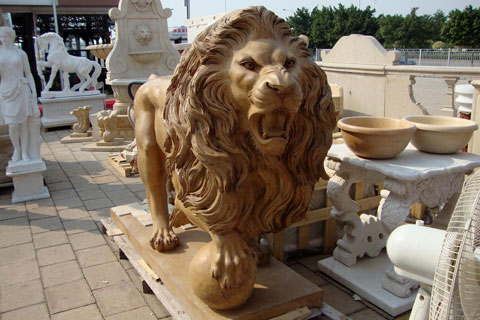
Large concrete roaring garden lion statues for sale
-
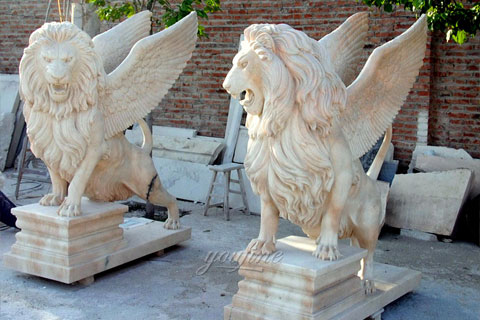
Winged white natural marble lion statue for sale
-
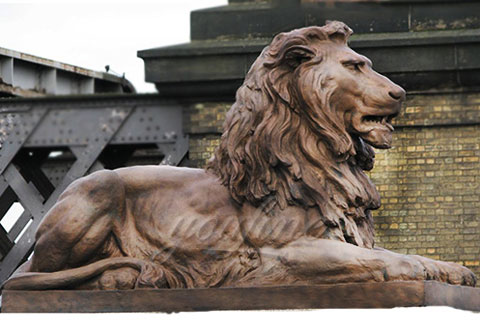
Garden sitting life size bronze lion sculpture for park lawn ornaments
-
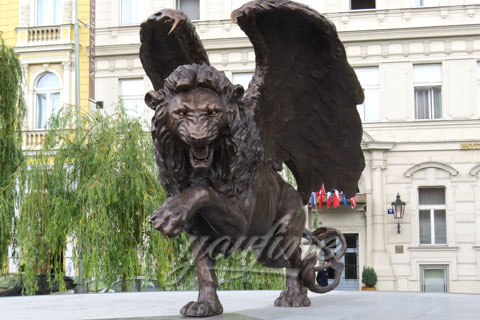
Winged lion bronze statue Outdoor lawn ornaments Decor
-
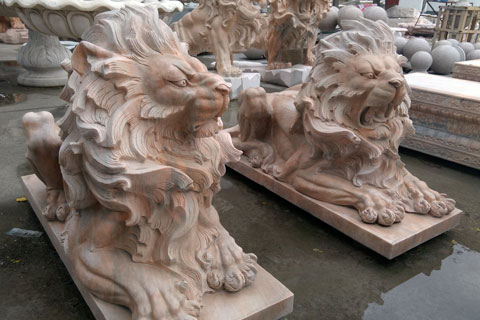
Roaring lions statues pair for front porch
-
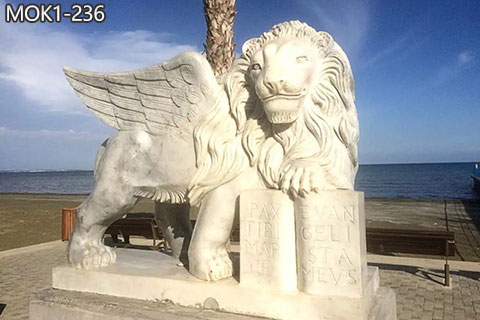
White Marble Winged Lion Statue for Outdoor Factory Supply
-
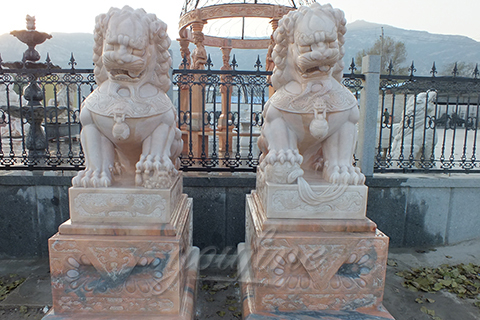
Outdoor marble stone hot sale hand carving chinese foo dog for gate
-
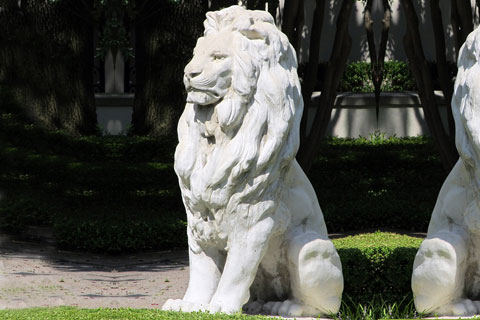
Garden ornaments white lion statues outdoor for sale
-
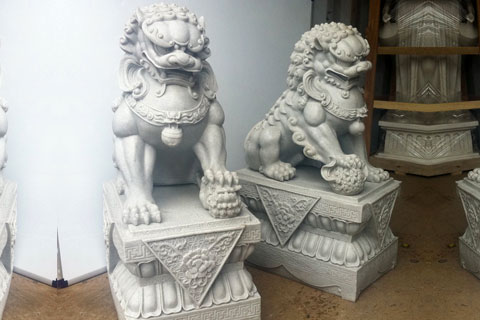
Fu dogs lion statues pair for front porch
-
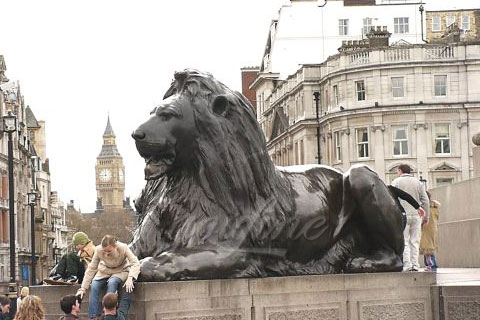
China outdoor casting brass antique bronze lion statues for garden ornaments
-
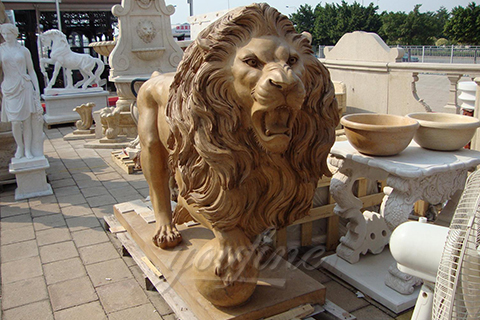
Classic Flying with Marble Lion Statues for sale
-
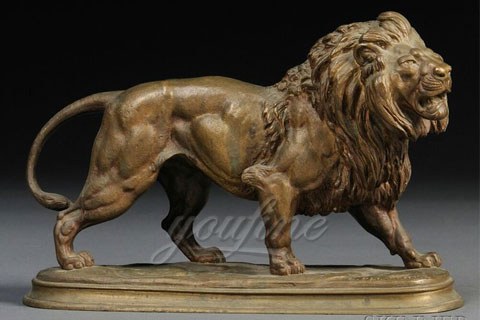
High quality large bronze lion statues for park lawn ornaments
-
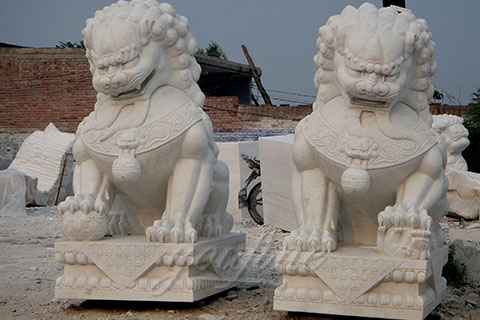
Decoration carving marble stone foo dog statues for gate outdoor
-
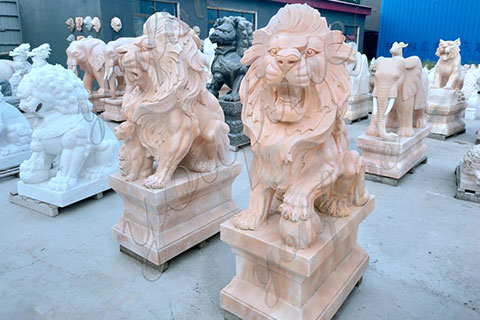
Large Red Marble Sitting Lion Statue Outdoor Decor MOKK-709
-
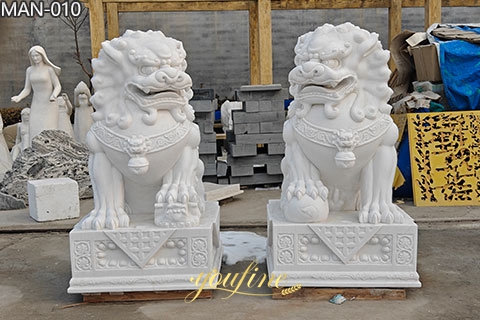
Pair of Marble Foo Dogs Statue for Front Door Decor on Sale